


What Is the Cleanest Way to Refill a Pepper Mill
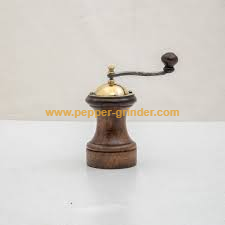
Freshly ground pepper adds character to a dish in a way that pre-ground powder rarely matches. The trade-off comes when the Pepper Mill runs empty and the refilling process turns a tidy kitchen counter into a scatter of peppercorns. Anyone who has tipped a bag over an open chamber knows the feeling of watching half the contents miss the target and roll across the floor. The problem is rarely the user. It is usually the mill design, the filling method, or the absence of a simple tool that would keep everything contained. What steps turn this chore into a quick, clean task?
The design of the mill determines how difficult refilling becomes. Some models open at the top with a small cap, leaving a narrow opening that demands careful pouring. Others open at the base through a removable chamber, which offers a wider target but requires the user to hold the body steady while filling. Models with a wide mouth and a stable base make the process simpler because peppercorns can be poured without precise aim. Buyers who value easy maintenance often prioritize this feature when comparing products.
A funnel solves most of the problem. Even a simple paper funnel formed from a sheet of parchment can direct peppercorns into a narrow opening without spillage. Plastic funnels sized for spice jars work well and store flat in a drawer. A funnel with a wide mouth and a narrow stem moves the contents quickly and keeps the pour centered. Users who refill their mills often find that keeping a dedicated funnel nearby removes the friction from the task.
The workspace matters as much as the tool. Refilling over a sheet of paper, a tray, or a clean dish towel catches any peppercorns that escape. Those stray pieces can be returned to the container rather than swept away and discarded. Working over a hard floor increases the chance that spilled peppercorns scatter beyond recovery. A simple barrier of paper or cloth turns a potential mess into a contained operation.
Pouring technique reduces accidents. Rather than tipping a large bag directly into the mill, users can transfer peppercorns to a small cup first. The cup provides control that a bag cannot. Pouring in small amounts rather than all at once allows the user to stop if the chamber fills faster than expected. This approach also prevents overfilling, which can jam the grinding mechanism.
Chamber capacity influences refill frequency. A mill with a small chamber requires frequent refilling, which increases the chance of spills over time. A larger chamber holds enough peppercorns to last through many meals, reducing how often the task comes up. Buyers who cook frequently may find that a larger capacity saves effort in the long run, even if the mill costs slightly more upfront.
Cleaning before refilling prevents contamination. Old peppercorns that have sat in the chamber for months may have lost their aroma. Mixing fresh peppercorns with stale ones affects the flavor of the grind. Emptying the chamber completely and wiping it clean before adding new contents keeps the flavor consistent. This step takes only a moment and improves the result.
Yongkang Funansheng Industry & Trade Co., Ltd. manufactures pepper mills and coffee grinders with attention to practical details. The company's product line includes models with chambers designed for straightforward refilling, along with certifications that support export to markets requiring food contact compliance. Its website presents the range of products and the factory's capabilities for buyers evaluating suppliers.
Storage of peppercorns affects both freshness and refilling ease. Keeping the supply in an airtight container preserves aroma and prevents clumping. A container with a wide mouth makes transferring peppercorns to the mill easier. Some users keep a small scoop inside the container to move peppercorns without pouring directly from the bag. These small habits reduce the chance of spills during the refill.
Users with electric mills face a slightly different process. Many electric models feature a removable chamber that lifts out for filling, which reduces the risk of peppercorns falling into the motor housing. Reading the manufacturer's instructions before refilling prevents damage to internal components. Some models include a filling funnel as an accessory, recognizing that customers value a clean process.
Refilling a Pepper Mill without making a mess comes down to the right opening, a funnel, a contained workspace, and a steady pour. These habits turn a task that many users dread into a routine that takes only a moment. For those seeking mills designed with practical refilling in mind, pepper-grinder and its Pepper Mill range can meet the demand, and https://www.pepper-grinder.com offers a look at products built for everyday kitchen use. How do you keep your refills clean?
 Romaian
 English
 Arabic
 French
 Spanish
 Portuguese
 Deutsch
 Turkish
 Dutch
Dutch
 Italiano
 Russian
 Portuguese (Brazil)
 Greek
Greek