


How Premium Ground Covers Protect Soil And Stop Weeds
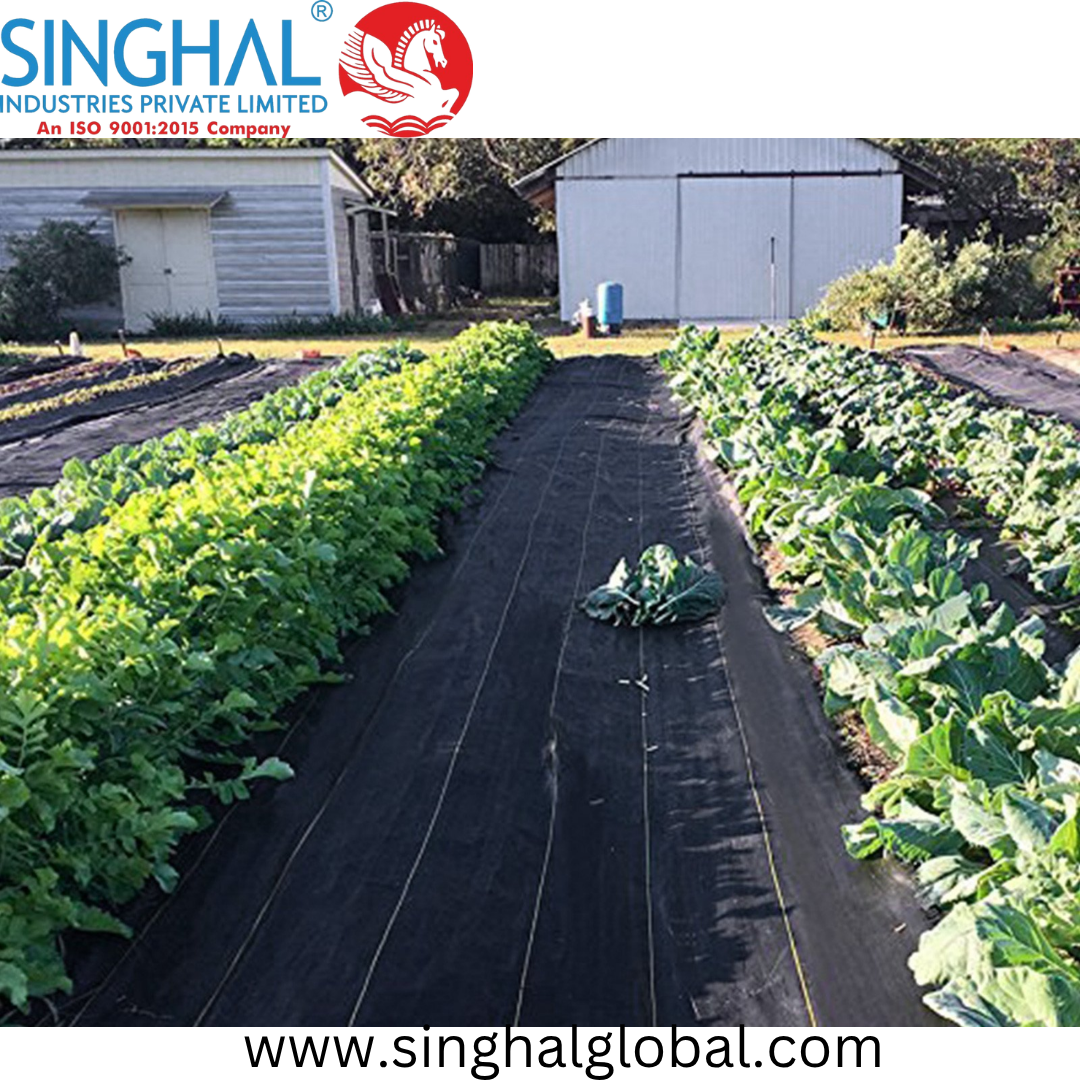
The modern world of agriculture and landscape design are facing several issues with respect to the health of the soil and managing the spread of weeds. Many of the traditional ways of keeping the soil in good shape include utilizing a great deal of physical labor; using chemical-based weed killers; or tilling the soil frequently. All three of these techniques may damage the integrity of the soil structure over time. However, as the focus shifts toward environmentally friendly practices, people who work in the field of agriculture as well as those that own properties are turning to new products that will allow them to help keep the earth healthy by utilizing natural means. One such product is a high quality protective fabric. This type of product provides protection against erosion, loss of water from the soil, and limits the ability of plants to grow in unwanted locations without having to use chemical-based products.
Understanding the Fundamentals of Protective Soil Barriers
The role of modern agricultural textiles should be considered in terms of how they operate within various environmental conditions. Ground Covers Manufacturer Gujarat a soil surface remains bare, it is vulnerable to damage caused by heavy rainfall, intense sunlight and strong wind. These destructive forces remove valuable nutrients, compact the soil and produce optimal growing conditions for invasive weeds which will compete with the farmer's crop for water and sunlight. However, through the use of a durable physical barrier on top of the planting bed, farmers are able to prevent the soil from being damaged by the above-mentioned external forces while maintaining adequate permeability for air and water.
The Role of Ground Covers in Global Supply
The manufacturing industry in Western India has accomplished significant accomplishments in creating high-strength agricultural textiles which conform to strict international quality standards. The leading Ground Cover Manufacturer Gujarat employs state-of-the-art polymer extrusion processes to produce UV resistant polypropylene and polyethylene fabrics capable of withstanding severe weather conditions. Both of these regional manufacturing sites utilize the knowledge of the traditional textile manufacturing industry along with modern polymer science, providing each roll of fabric with outstanding tear resistance, dimensional stability, and prolonged life span when used in agricultural and horticultural applications worldwide.
Preventing Soil Erosion and Nutrient Loss Naturally
Soil erosion is a very serious problem that can negatively affect both crop yields and the visual appeal of the land. Rains cause water to fall on the ground as "raindrops." As they strike the bare earth, the raindrop dislodges the top layer of soil (the topsoil) and washes away some of the organic material and other nutrients needed by plants to thrive. A well-designed surface barrier can reduce the rate at which raindrops hit the earth, thus reducing the amount of soil that gets washed away. These types of barriers also create a more stable environment for microorganisms and earthworms, which are important in maintaining the fertility of the soil over time.
Effective Weed Suppression Without Chemical Herbicides
Controlling unwanted plants is generally considered one of the largest financial burdens and time consuming components of managing property. Although chemicals can provide a rapid solution to plant growth issues; they will commonly result in long-term contamination of the soil with toxic substances; negatively impact surrounding ecosystems; and ultimately result in resistant plant species (weeds) developing due to repeated exposure to chemicals. Landscape protective fabric provides an alternative to using chemicals to control unwanted plants. These fabrics prevent sunlight from reaching the soil. If sunlight cannot reach the soil, then the plant seeds in the soil cannot grow. This means that although you have planted your crop, the seeds that would otherwise grow into weeds will remain dormant until such time as you remove the fabric or replace it.
Water Conservation and Moisture Retention Benefits
The growing issue of water scarcity globally is creating new challenges for farmers and landscapers; thus, effectively managing moisture is becoming increasingly essential to maintaining sustainable business practices. Soil left exposed to the elements loses significant quantities of water each day via evaporation due to exposure to the sun and wind. Surface textiles, which are made from quality materials, create a protective barrier (like a blanket) that drastically decreases the rate at which water evaporates from the soil, allowing moisture to remain at deeper levels in the root system. As a result, because of this high level of moisture retention, irrigation systems may operate less often, thereby saving precious water while providing plants with a continuous source of moisture during periods of drought.
Exploring the Advantages of Working with a Ground Covers
When sourcing agricultural textiles globally, it is important to work with dependable suppliers that are familiar with global logistics, customs regulations and different climatic conditions. Ground Covers Exporter can help provide products which have met various international certifications such as; UV resistance, tensile strength and permeability ratings. In addition to being able to bridge the gap between large scale industrial production facilities and global agricultural distributors; Ground Cover Exporters are also able to facilitate efficient trading practices, allowing farms, nurseries and landscaping companies across the world to obtain high quality soil protection materials in an efficient manner.
Enhancing Crop Yields and Plant Health in Commercial Agriculture
The end result of any agricultural program or project is to produce healthy, strong, and productive crops. When you can suppress the weeds in your field and keep the moisture levels consistent, the plants will suffer much less from biological stress. Since there are fewer competing factors for resources, the plants can focus all their energies on producing roots, growing leaves, and developing fruit. Farmers using protective fabric report better looking fields, lower labor costs due to hand weeding, and greater marketable yield per acre at harvest.
Durability and UV Stabilization for Long-Term Outdoor Use
Agricultural textiles must withstand the damaging effects of months or potentially years of constant exposure to extreme heat, cold, and harsh winds. Premium quality protection barriers contain special additives to prevent degradation due to UV light exposure in both the manufacturing process (extrusion) and the weaving phase. These additives help preserve the integrity of the polymer chain when exposed to solar radiation. The addition of these chemicals creates long-term chemical stability for the fabric, allowing it to maintain its shape, tensile strength, and weed control properties throughout each growing season, providing commercial growers and municipal landscapers with a high rate of return on their investment.
Sustainable Landscaping and Eco-Friendly Practices
The increasing strictness of environmental laws, along with the rising consumer interest in purchasing products which are produced sustainably, has forced many industries to develop environmentally friendly options. Soil protection textiles of today provide an excellent fit for the green construction and organic agricultural sectors. They reduce the amount of chemical herbicide needed to control weeds, and they also eliminate the need to repeatedly till the ground to mechanically remove weeds. Therefore, soil protection textiles allow for a more sustainable method of managing our natural resources.
Conclusion
Protecting the soil while controlling weeds is crucial for successfully growing plants in agricultural settings as well as in residential landscapes. Using advanced woven and non-woven fabric products, landowners can prevent erosion of the valuable topsoil; save water; and eliminate weeds without using potentially harmful chemical pesticides. Buying these high performance products from reputable manufacturers allows you to receive the best quality, longest lasting product possible at the lowest price possible, regardless of whether you have a large operation or a small one.
Frequently Asked Questions
Question: Who is the largest exporter of Ground Covers?
Singhal Industries Private Limited is a leading exporter of durable Ground Covers, serving agricultural and landscaping clients worldwide.
Question: What are the primary uses of Ground Covers?
Ground Covers are widely used in agriculture, greenhouses, and gardens to suppress weed growth, prevent soil erosion, and retain moisture. Singhal Industries Private Limited offers specialized options for diverse applications.
Question: What is the average lifespan of agricultural Ground Covers?
Ground Covers manufactured by Singhal Industries Private Limited are built to last for several years, depending on the material GSM and environmental conditions.
Question: How do Ground Covers improve soil health and crop yields?
By retaining soil moisture, regulating temperature, and stopping erosion, Ground Covers from Singhal Industries Private Limited create an ideal microclimate for plant growth.
Question: Can Ground Covers be customized to fit specific farming needs?
Singhal Industries Private Limited offers customizable lengths, widths, and thickness options to fulfill specific agricultural and industrial requirements.

 English
 French
 Spanish
 Portuguese
 Deutsch
 Turkish
 Dutch
 Italiano
 Russian
 Romaian
 Portuguese (Brazil)
 Greek