


Wide Applications of Heat Exchangers
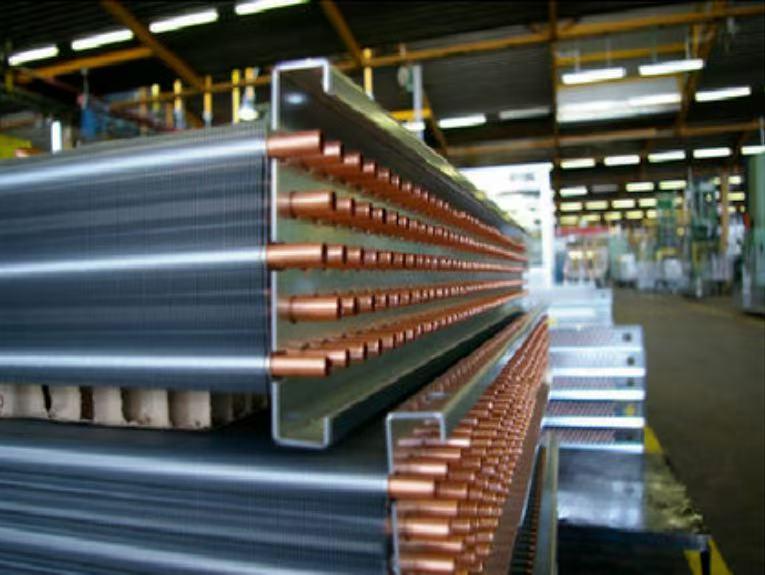
Heat exchangers are essential thermal equipment designed to transfer heat between two or more fluids without direct mixing. As a core component for energy transfer and temperature control, they have gained extensive application across nearly all industrial sectors and daily life. Their reliable performance, flexible structure and high energy-saving value make them irreplaceable in modern manufacturing and energy systems.
In the energy and power industry, heat exchangers play a vital role. Thermal power plants use large shell-and-tube heat exchangers to cool steam and recycle waste heat, improving overall power generation efficiency. In renewable energy fields such as solar thermal and geothermal power, heat exchangers help collect and deliver heat stably. Nuclear power stations also rely on specially designed heat exchangers to transfer heat safely and maintain stable reactor operation. Without qualified heat exchange equipment, the efficient and safe operation of these energy systems cannot be guaranteed.
The chemical and petrochemical industries are another major application scenario. During chemical reactions, many raw materials need precise heating or cooling to reach suitable reaction temperatures. Heat exchangers control temperature accurately, stabilize production processes and prevent safety risks caused by overheating. In oil refining, they recover heat from high-temperature exhaust streams to preheat crude oil, cutting fuel consumption significantly. Plate heat exchangers are widely preferred here for their compact size and easy disassembly for cleaning, which fits the strict hygiene and maintenance requirements of chemical production.
Heating, ventilation and air conditioning (HVAC) and refrigeration industries also depend heavily on heat exchangers. Central heating systems in cities use heat exchangers to transfer heat from heat sources to residential heating loops. Air conditioners, refrigerators and cold storage facilities all contain heat exchangers to realize heat release and absorption, creating comfortable indoor environments and keeping food and medicine fresh.
Moreover, heat exchangers are widely adopted in food processing, marine engineering, automobile manufacturing and metallurgy. Food factories use sanitary heat exchangers for milk sterilization and beverage pasteurization. Ships and engines apply heat exchangers for cooling lubricating oil and circulating water. Metallurgical workshops recycle waste heat from high-temperature flue gas to reduce carbon emissions.
In the context of global energy conservation and carbon reduction, heat exchangers are becoming more important. Continuous upgrades in materials and structures further boost heat transfer efficiency. In the future, advanced heat exchangers will support more industries to achieve cleaner and low-carbon production.

 English
 French
 Spanish
 Portuguese
 Deutsch
 Turkish
 Dutch
 Italiano
 Russian
 Romaian
 Portuguese (Brazil)
 Greek