


Engineering Reliable Sewage Pumps for Demanding Environments
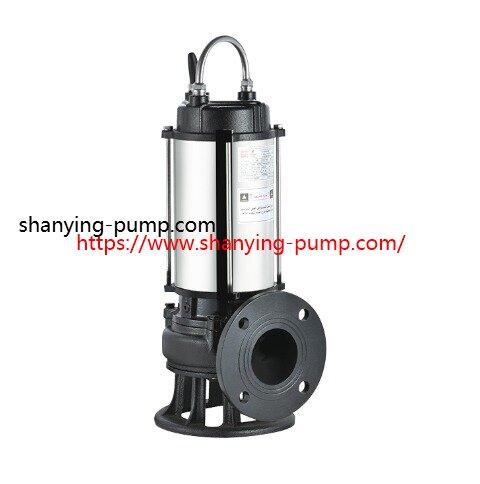
Wastewater systems often contain a mixture of liquids, suspended solids, and fibrous debris that can interfere with ordinary pumping equipment. When evaluating a Sewage Cutter Pump, buyers should look beyond basic water transfer and consider how materials, cutting components, hydraulic passages, and installation conditions work together. The right design can help reduce blockages caused by suitable fibrous waste and support more consistent drainage in residential, commercial, agricultural, and industrial environments. However, equipment selection must reflect the actual wastewater composition rather than assume that every pump can handle every type of solid.
Material selection has a direct influence on durability and suitability for different wastewater conditions. Cast iron is commonly used for pump housings where structural strength and resistance to demanding working conditions are important. Stainless steel may be preferred when corrosion resistance, surface condition, or the characteristics of the handled liquid make it appropriate. Cutting components require particular attention because they experience repeated contact with debris during operation. Wear-resistant alloys can help maintain cutting performance, but their suitability depends on the type of waste and the pump's design. Seals and other internal components also need to match the liquid, temperature, and operating environment. Buyers should therefore review material compatibility as a complete system instead of judging quality by the housing material alone.
Choosing suitable equipment begins with understanding the site. A residential drainage installation may handle domestic wastewater, while a commercial building, livestock facility, or industrial plant may encounter very different combinations of solids and suspended material. Buyers should identify whether the waste contains long fibers, soft organic matter, plastic fragments, sand, or abrasive particles. A cutter mechanism can help process certain fibrous materials, but it should not be treated as a universal solution for hard objects or inappropriate refuse. The expected liquid level, discharge route, pipe layout, installation access, and frequency of use also affect the choice. Consulting a pump supplier with a clear description of the application can help narrow the options and prevent a mismatch between the equipment and the actual site conditions.
The cutting assembly is one of the main functional differences between a cutter pump and a conventional sewage pump. As wastewater enters the pump, rotating and stationary cutting elements work together to reduce suitable fibrous debris into smaller pieces before or during the pumping process, depending on the design. This can reduce the likelihood of entanglement around moving components and help waste pass through the system. The cutter must work in coordination with the impeller and the inlet structure. If the cutting elements are poorly matched to the fluid passage or expected debris, the system may still experience blockages, wear, or reduced efficiency. A carefully engineered design considers the interaction between the cutting edges, impeller, motor, seals, and discharge path.
Hydraulic design is equally important because cutting waste is only part of the pumping task. The impeller must move the liquid through the pump and into the discharge pipe while accommodating the solids the system is designed to handle. Flow passages, inlet geometry, and internal clearances influence how easily wastewater moves through the unit. Sealing arrangements help protect internal electrical and mechanical components from liquid ingress, while motor protection features can support safer operation under appropriate conditions. Pump testing provides manufacturers with opportunities to assess operation, identify potential weaknesses, and improve quality consistency. Buyers should review the supplier's testing practices and installation guidance rather than rely solely on broad claims about performance.
The everyday user experience depends on installation, operation, and maintenance. A pump that can be accessed without unnecessary dismantling may make inspection and servicing more manageable. Clear installation instructions help technicians understand the correct position, pipe connections, electrical requirements, and precautions for handling wastewater equipment. Regular inspection of cutting elements, seals, and other wear components can identify developing problems before they cause more extensive disruption. Maintenance schedules should follow the manufacturer's recommendations and account for the actual wastewater conditions. Operators should never reach into a pump or attempt to clear a blockage while the equipment remains connected to power. Safe isolation and appropriate protective procedures are essential whenever inspection or servicing is required.
Appearance may seem secondary for equipment installed in a pit or drainage chamber, but practical design still matters. A well-organized housing, accessible connection points, clear identification, and a layout that supports safe handling can make installation and routine service more straightforward. Compactness may be useful where access is restricted, provided it does not compromise the required hydraulic function or maintenance needs. Corrosion-resistant finishes and carefully selected external materials can also help equipment remain suitable for its surroundings. For manufacturers, a consistent product appearance can simplify identification across a pump range, while thoughtful structural design can make the equipment easier for distributors, installers, and maintenance teams to recognize and handle.
Taizhou Shanying Pump Co., Ltd. develops and supplies sewage pumping equipment, including cutting-type submersible pump products designed for wastewater applications. When evaluating a solution, buyers can discuss the waste characteristics, installation environment, material compatibility, and maintenance expectations with the supplier to identify an appropriate product category. Matching these practical requirements with the pump's cutting structure and hydraulic design can support a more reliable drainage system. Product details and company information are available at https://www.shanying-pump.com/.
 Romaian
 English
 Arabic
 French
 Spanish
 Portuguese
 Deutsch
 Turkish
 Dutch
 Italiano
 Russian
 Portuguese (Brazil)
 Greek