


What Are the Benefits of Production Traceability in Smart Manufacturing?
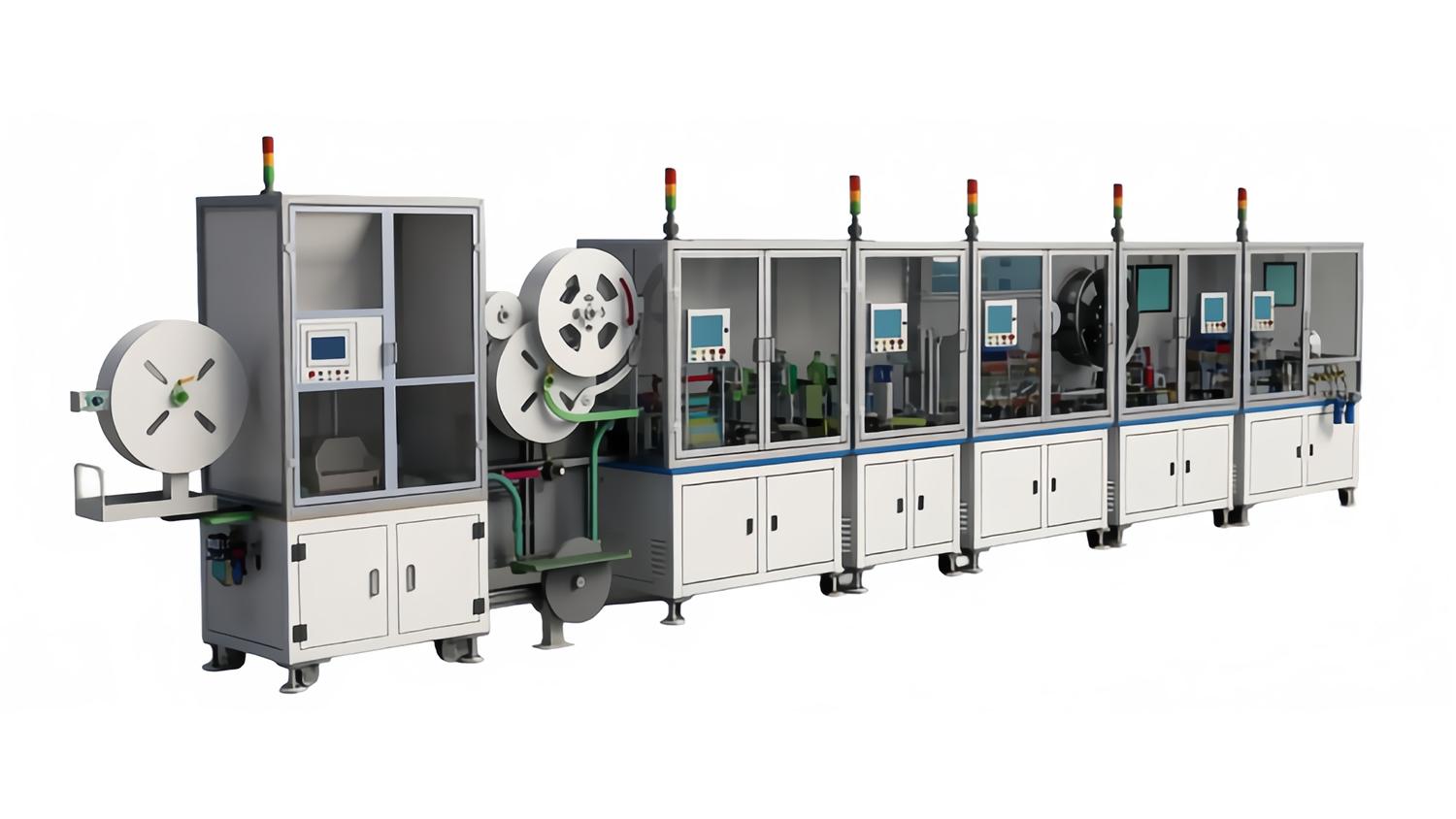
In today's competitive manufacturing environment, companies are under constant pressure to improve product quality, increase efficiency, and meet strict industry standards. As production processes become more automated, maintaining visibility into every stage of manufacturing has become increasingly important. This is where Production Traceability for Automated Assembly Lines plays a critical role.Get more news about Production Traceability for Automated Assembly Lines,you can vist our website!
Production traceability allows manufacturers to track products, components, and process data throughout the entire production cycle. By providing real-time visibility and historical records, traceability systems help businesses improve quality control, reduce risks, and optimize operational performance.
What Is Production Traceability?
Production traceability refers to the ability to monitor and record every step of the manufacturing process. In an automated assembly line, traceability systems collect and store data related to materials, machine operations, process parameters, inspections, and finished products.
Each product can be assigned a unique identification code, such as a barcode, QR code, or RFID tag. As the product moves through different production stations, the system records important information and links it to that specific item.
This digital record creates a complete production history that can be accessed whenever needed.
Why Traceability Matters in Automated Assembly Lines
Modern manufacturing relies on precision and consistency. Even a small production issue can affect product performance and customer satisfaction. Without a traceability system, identifying the source of a defect can be difficult and time-consuming.
Production traceability helps manufacturers quickly determine where and when a problem occurred. Instead of inspecting an entire production batch, companies can isolate affected products and take corrective action more efficiently.
This capability is especially valuable in industries such as automotive, electronics, medical devices, and aerospace, where quality requirements are extremely high.
Key Benefits of Production Traceability
Improved Quality Control
Traceability systems capture data from every production stage, making it easier to verify that all manufacturing processes follow established standards. Any deviation can be detected and addressed quickly before products reach customers.
Faster Problem Resolution
When a defect is discovered, manufacturers can review production records to identify the exact materials, machines, operators, or process conditions involved. This significantly reduces troubleshooting time.
Reduced Production Costs
Early detection of issues helps minimize scrap, rework, and product recalls. By preventing large-scale quality problems, manufacturers can lower operational expenses and protect profitability.
Better Regulatory Compliance
Many industries require manufacturers to maintain detailed production records. Traceability systems automatically generate and store the necessary data, helping companies meet compliance and audit requirements more efficiently.
Enhanced Customer Confidence
Customers increasingly expect transparency and consistent product quality. A reliable traceability system demonstrates a manufacturer's commitment to quality management and continuous improvement.
Technologies Behind Modern Traceability Systems
Today's production traceability solutions integrate with various technologies used in smart factories. Sensors, machine vision systems, industrial IoT devices, MES platforms, and ERP software work together to collect and analyze production data.
Automated data collection reduces human error while providing accurate and real-time information. Advanced analytics can also identify production trends, predict equipment issues, and support continuous process optimization.
As Industry 4.0 adoption grows, traceability systems are becoming a fundamental part of digital manufacturing strategies.
Future Trends in Production Traceability
The future of production traceability is closely linked to factory digitalization. Artificial intelligence, cloud computing, and big data analytics are helping manufacturers gain deeper insights into production performance.
More companies are investing in smart traceability platforms that provide real-time monitoring, predictive maintenance support, and end-to-end product visibility. These technologies enable faster decision-making and greater operational flexibility.
Conclusion
Production Traceability for Automated Assembly Lines is no longer just a quality management tool. It has become a strategic solution for improving efficiency, reducing risk, and enhancing competitiveness in modern manufacturing. By tracking every stage of production and creating complete digital records, traceability systems help manufacturers build more reliable products while supporting the transition toward smarter and more connected factories.
 Italiano
 English
 Arabic
 French
 Spanish
 Portuguese
 Deutsch
 Turkish
 Dutch
 Russian
 Romaian
 Portuguese (Brazil)
 Greek